Babeside, Authenticity and the Questions I Asked Before a Partnership
Before the later sponsored unboxing, I spent a long feature working through what I knew, what people had claimed, and what I could not independently establish.



Watch on YouTube, turn on captions, or join the conversation
Listen to this article
AI-generated with Odie’s professional voice clone.
Why I wanted to ask the questions publicly
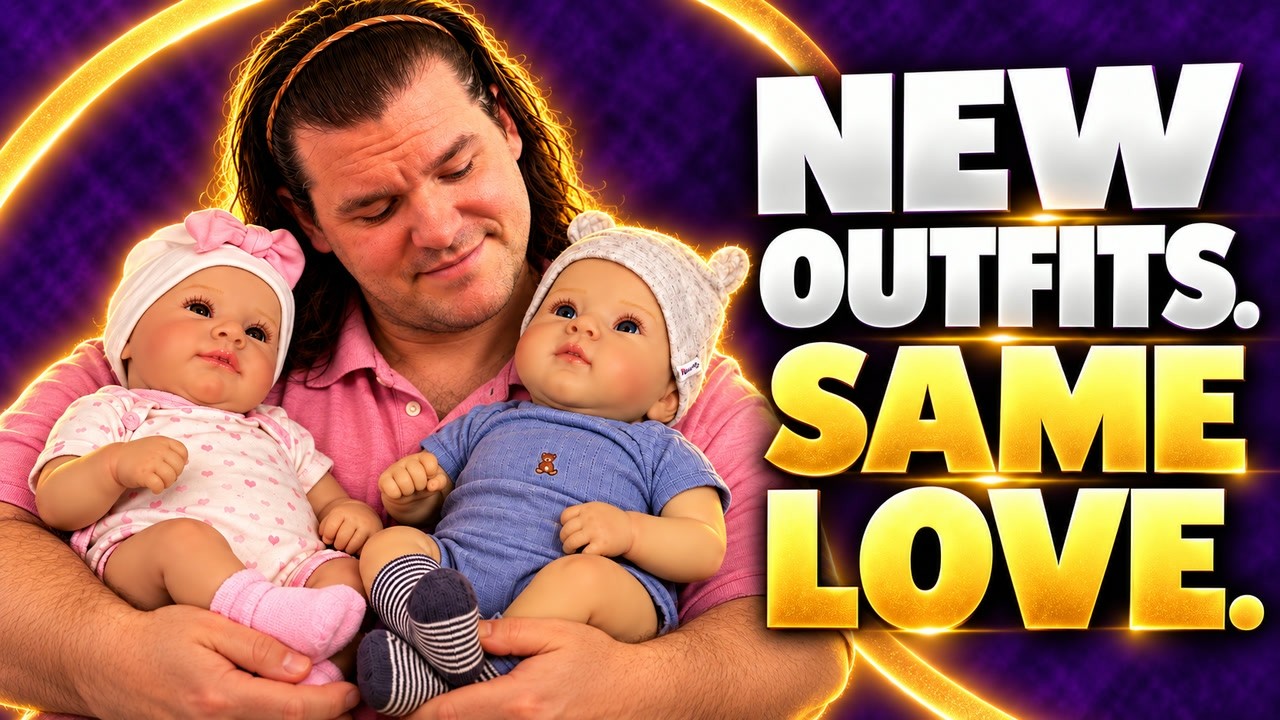
Babeside contacted me about a possible sponsorship. I had bought dolls from the company before, mainly for my son, and my own experience had been positive. I also knew that manufactured dolls, authenticity and the protection of artists’ work were subjects of serious disagreement in the reborn community.
Before attaching my name to a partnership, I wanted to examine the questions more carefully. This April 2026 recording is that discussion. It came before the later sponsored unboxing on the channel. That commercial context belongs alongside the review, rather than being left out of the story.
Separate the kinds of evidence
My experience of receiving a doll is one kind of evidence. A manufacturer’s explanation, a collector’s report, an artist’s concern and a side-by-side photograph are different kinds. In the video, I work through those sources and show where a statement comes from rather than asking viewers to treat them all as equally established.
I also explain the limits of the manufacturer materials shown in the feature. I can describe what I was sent and what I observed; I cannot independently validate every part of a production process from a few videos. Manufacturer footage can provide context, but it is different from an independent audit of the work.
Manufactured lifelike dolls and artist-made reborns
A major part of the conversation is language. A custom reborn built and finished by individual artists and a manufactured lifelike doll are different products. Buyers deserve descriptions and photographs that make that distinction clear, along with realistic expectations about materials, detail, price and support.
Visual similarities between dolls can raise questions worth asking, but a comparison by itself does not settle licensing, provenance or every allegation about an entire catalog. I do not present this article as a legal finding or an independent certification of a company. The feature records the information and perspective I had at that time.
Keep the discussion useful to collectors
Protecting artists and treating collectors kindly can belong in the same conversation. Someone may have bought a doll without understanding the terminology or the debate around it. A thoughtful explanation of what to ask a seller is more useful than shaming that person for enjoying something they already own.
The questions I want buyers to consider are practical: what exact doll is being offered, who made or designed it, what documentation is available, and whether the photographs and description match the purchase. Watch the full feature for the original comparisons and discussion, and read the disclosures on later partner content as well.